Returns Are a Big Pain Point in India: Why Shoppers Abandon Purchases Without Clear Return Policies
 Written byAyushi Tyagi
 Reviewed byAnuj Goel
Indian e-commerce has evolved at a speed the world did not anticipate. Millions of people across metros, Tier 2, and even Tier 3 cities now shop online every day. Logistics have improved, payments have become easy, and storefront technology has exploded.
But even with all this progress, one major friction point continues to frustrate customers and burden brands: Returns.
Returns remain one of the biggest, most expensive, and most emotionally sensitive parts of the post-purchase journey. And the impact is huge.
According to a DHL eCommerce study, a significant number of Indian shoppers abandon their purchase if the return policy is unclear, complicated, or feels unsafe. This indicates that the return experience isn’t just a backend operation. It’s a direct conversion driver.
In this long-form breakdown, we explore why returns are such a big pain point in India, how they influence purchase behaviour, what operational challenges brands face, and how the right technology can transform returns from a liability into a competitive advantage.
1. Why Returns Matter More in Indian E-Commerce?
India’s digital commerce market is unique. Consumers are price-conscious, hyper-aware, influenced by social media, yet extremely cautious when it comes to online purchases. And this creates three core behaviours that make returns crucial:
1.1 Trust Is the Currency of E-Commerce
Unlike Western markets where return systems have matured for years, India is still developing its trust infrastructure. Customers want:
A fair return policy
Clear instructions
Timely refunds
No hidden fees
A strong return experience doesn’t just fix a problem. It removes fear at the moment of purchase.
1.2 High First-Time Buyer Anxiety
Millions of shoppers from smaller cities are buying online for the first time. Their biggest worry?
“What if I don’t like it? What if it doesn’t fit? Will I get my money back?”
A reassuring return policy reduces buying hesitation dramatically.
1.3 Competition Has Raised Expectations
Marketplaces like Amazon, Flipkart, and Myntra have trained Indian shoppers to expect:
Free and easy returns
Doorstep pickups
Instant refunds
Real-time tracking
D2C brands now have to match this baseline or risk losing customers to more convenient platforms.
2. What’s Broken in India’s E-Commerce Return Ecosystem?
One of the biggest issues with return policies in India is the lack of transparency around refund timelines, pickup reliability, and return eligibility, leading to high return anxiety among customers. Despite rapid growth in Indian e-commerce, returns remain a major friction point for both customers and brands.
2.1 Unclear or Complicated Return Policies
Many brands unintentionally create confusion with:
Hidden terms
Narrow return windows
No-refund policies
Voucher-only refunds
Incomplete product eligibility rules
Even small uncertainties can cause customers to drop off. A clear Shopify return policy template removes most of that guesswork.
2.2 Why Fashion & Footwear Have the Highest Return Rates in India
Fit issues, size mismatch, color variance, and fabric expectations make apparel the highest-return category in India.
Rates often cross 20–35%, a massive operational load.
2.3 Operational Chaos for Brands
This is where the real pain sits.
Behind every return is a chain of tasks:
Approvals
Pickup coordination
Logistics tracking
Delivery updates
Refund processing
OMS/ERP updates
Inventory reconciliation
Customer communication
Most brands still manage these manually.
To reduce this chaos, many fast-growing D2C brands now rely on automated return management systems, which eliminate repetitive updates and sync tools like Vinculum, Unicommerce, and Shopify smoothly.
This feels natural and not promotional, just a logical part of the narrative.
2.4 RTO, Fake Returns & Item Switching
India faces unique risks:
Fake pickups
Customers returning different items
Used products passed as new
RTO packages treated as returns
Courier delays
Address mismatches
Without automation, these leakages become expensive, especially on cash-on-delivery orders (see why COD orders have higher return rates).
3. How Poor Return Experiences Hurt Indian D2C Brands?
Studies repeatedly show that cart abandonment in India is heavily influenced by unclear or inconvenient return experiences.
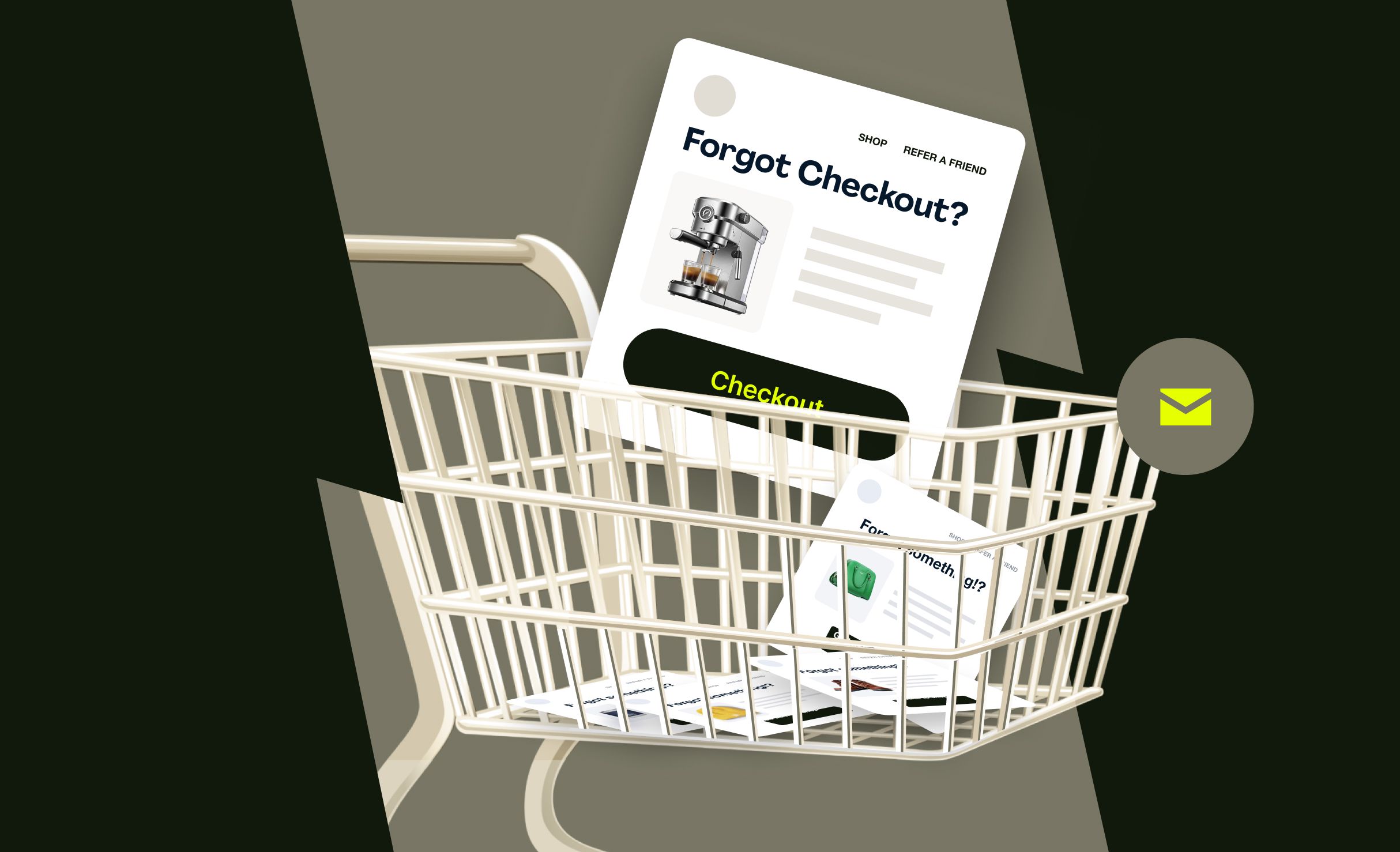
3.1 Shoppers Abandon Their Cart
As highlighted in the DHL report, Indian customers leave the purchase journey if:
The return window is unclear
Pickup sounds difficult
Refund timelines feel long
The process looks complicated
Good return policies increase conversions. Bad ones kill them instantly.
3.2 Negative Reviews & Social Media Complaints
Return delays are the No.1 trigger of:
Low-star reviews
Instagram DM complaints
Facebook comments
Twitter rants
All of these hurt brand perception.
3.3 Customer Support Gets Overloaded
Support teams spend most of their time responding to:
“Where is my refund?”
“Has the pickup been scheduled?”
“Why is the tracking not updating?”
“When will my exchange arrive?”
Brands that implement self-serve return portals see a significant drop in support tickets because customers get realtime updates without contacting support.
3.4 Lifetime Value Drops
A bad return experience almost guarantees the customer won’t buy again.
A smooth experience almost guarantees they will.
4. The Psychology of Indian Shoppers: Why Returns Influence Buying
Indian shoppers often search online for phrases like “easy returns India” and “refund issues India,” indicating rising awareness and frustration around the return experience.
4.1 The “Try-First” Mentality
Indian customers rely heavily on:
Material feel
Fit
Shade accuracy
Real-life utility
A return system acts like insurance.
4.2 Money Safety Is Paramount
Customers want assurance that:
Refund will come on time
They won’t be cheated
Customer care won’t ignore them
A confusing return policy signals risk.
4.3 Social Media Purchases Create More Returns
Influencer-driven purchases often lead to mismatch in expectation, a major reason for returns in fashion, skin, and beauty categories.
5. Why Bad Return Experiences Cost Indian Brands More Than Logistics
Reverse logistics cost money, yes.
Refunds cost money, yes.
But these costs are nothing compared to:
Lost customers
Poor reviews
Manual team overhead
Inventory mismatches
Fraud losses
Operational delays
Brands that automate returns actually save money in the long term.
6. The Future of Returns in India: Automated & Customer-First
Indian brands are now adopting automation-heavy return workflows that:
Reduce human involvement
Improve accuracy
Speed up refunds
Reduce RTO damage
Improve customer experience
Improve conversion rates
Platforms like QuickReturns help brands automate every step (approvals, pickups, tracking, QC, refunds, and OMS sync), creating a predictable, scalable workflow that teams love.
Again, subtle, contextual, and natural.
7. What Modern Indian Customers Expect from Returns
Today’s shoppers expect returns to be:
Instant approvals
Automated information flow
Transparent policies
Multi-choice refund/exchange options
Real-time tracking
Zero-touch support experience
This cannot be achieved without strong return automation.
8. Reverse Logistics in India: Improving but Still Challenging
Couriers like Delhivery, Xpressbees, Bluedart, Ecom Express, Shiprocket, and Shadowfax have improved reverse logistics but challenges remain:
Pickup attempts
Courier capacity
Address mismatch
Tracking delays
Real-time automated tracking ensures nothing slips.
9. Why D2C Brands Need a Return Automation Platform
Many fast-scaling brands across fashion, beauty, electronics, and lifestyle have already streamlined returns using tools like QuickReturns because they recognize that post-purchase excellence directly improves conversion, customer satisfaction, and retention.
10. The Future of Returns in India (2025–2030)
AI-powered prediction of return-prone SKUs
Exchange-first flows to retain revenue
Instant refund automation
Smarter courier routing
Sustainable returns (resale, refurbish)
Unified post-purchase dashboards
Return and Exchange Potals are already building infrastructure for this future.
For any D2C brand operating in India, optimizing the return experience isn’t optional. It directly improves SEO visibility, customer trust, and conversions across all e-commerce channels.
Conclusion
Returns are undeniably a big pain point in India, for customers who seek clarity, and for brands who struggle with operational complexity. As the DHL report confirms, poor return options directly impact conversions.
But the brands that transform their post-purchase experience stand out.
Those who embrace automation, transparent policies, self-serve flows, and real-time tracking build deeper trust and stronger loyalty. They reduce costs, simplify operations, and create an experience customers remember positively.
And that’s why modern, fast-growing Indian D2C brands increasingly turn to smart return tools to simplify returns, streamline operations, and deliver a world-class customer journey.
Returns are indeed a big pain point in India, but with the right system, they become a growth engine.